Is This Garment Worth Altering? An Honest Decision Framework
Before you spend money altering an old suit, run it through this honest framework from the Lanwin Tailor workshop in Petaling Jaya.
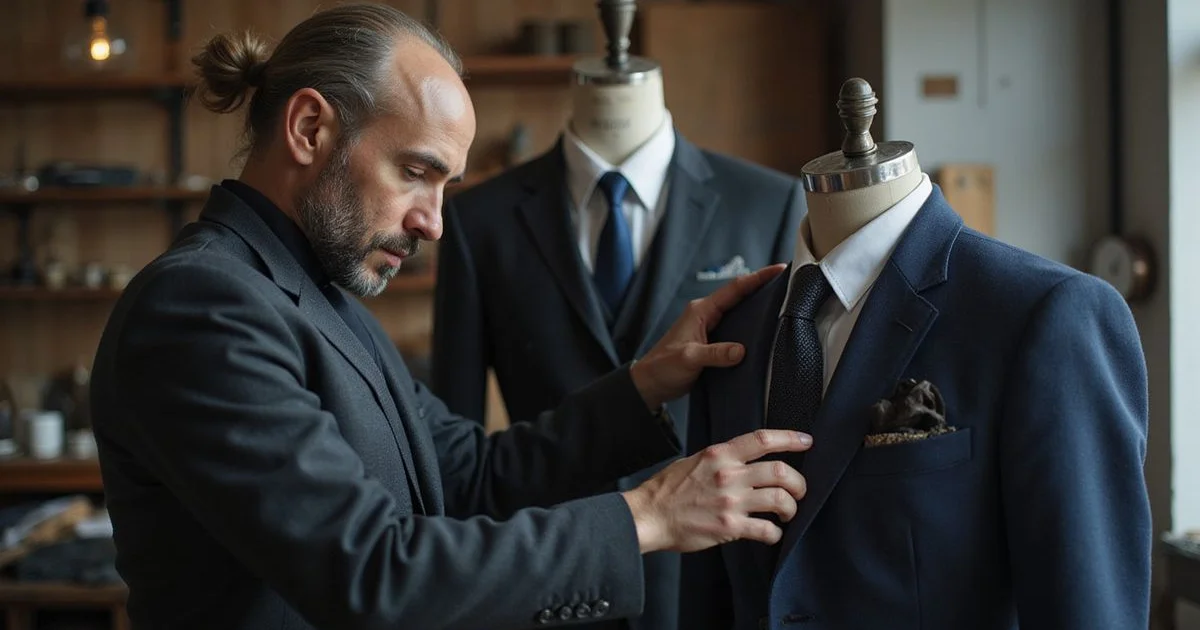
One of the most common questions we hear at our Petaling Jaya cutting room is some version of, “Is this jacket worth saving?” It is a fair, practical question, and it deserves a real answer rather than a reflexive “yes” that puts money in our pocket.
The truthful answer is that not every garment should be altered. We see clients every week carrying clothes whose alteration cost would exceed the garment’s actual market value. We see suits whose fit problems simply cannot be corrected because the original construction left no room. And we see beloved jackets that have lived a long, useful life and now deserve quiet retirement instead of expensive surgery.
This is the framework Lanwin Tailor uses in our own consultations to decide whether a garment is worth investing in.
Start With The Cost-To-Value Calculation
The first question is the boring one. What does the alteration cost compared to what the garment is actually worth today?
We use the “50% rule” borrowed from asset management. If the cost to repair or alter a garment exceeds half its current replacement value, you should think hard before going ahead.
A few clear cases in Petaling Jaya pricing:
- RM 500 in alterations on a RM 400 mall-bought suit. Almost never worth it
- RM 300 in alterations on a RM 7,500 bespoke suit. Absolutely worth it
- RM 350 in alterations on a RM 1,200 suit you wear weekly. Worth considering
These numbers ignore something important, though. They ignore the parts of value that do not appear on a price tag.
Sentimental weight. Your father’s wedding suit has a value that has nothing to do with what it would cost to replace. Restoration on a family heirloom is sometimes worth far more than the financial maths suggests.
Irreplaceability. A vintage cloth from a discontinued mill, or a jacket cut by a tailor who is no longer working, may justify a much larger investment. Scarcity adds value to clothing the same way it adds value to property in places like Bandar Utama.
Realistic future use. A suit that will fit perfectly after alterations is worth far more than one that will fit “a bit better but not really right.” A garment you actually wear has infinitely more value than one that hangs untouched in a wardrobe.
Alterations That Almost Always Pay Off
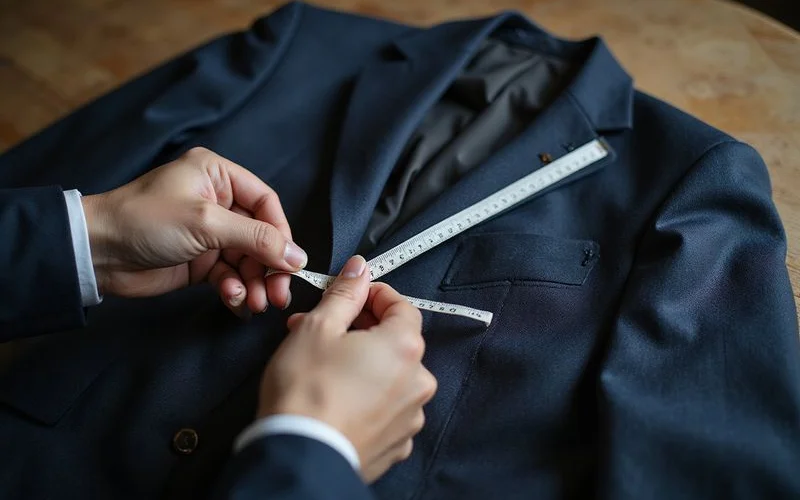
Some alterations deliver disproportionate improvements for a small investment. These are the ones we recommend without hesitation when the garment is otherwise in good shape.
Hemming trousers. At RM 40 to RM 80 in our workshop, this is the cheapest visible upgrade you can buy for any suit. It is non-negotiable for any garment you wear regularly.
Taking in a jacket waist. If the shoulders fit but the body is too full, waist suppression transforms the entire silhouette. Spending RM 150 to RM 280 here on a quality jacket is money very well spent.
Shortening sleeves. Proper sleeve length makes any jacket look significantly more expensive than it was. Expect RM 80 to RM 180 for a major visual improvement.
Tapering trouser legs. Modern silhouettes prefer a cleaner line than the wide-leg cuts of fifteen years ago. Investing RM 100 to RM 200 to update the leg width can extend the useful life of a suit by years.
These alterations work because they adjust areas where seam allowances were left for exactly this purpose.
ROI On Common Alterations
| Alteration | Estimated Cost (PJ) | Visual Impact | Verdict |
|---|---|---|---|
| Hemming trousers | RM 40 to RM 80 | High | Essential |
| Waist suppression | RM 150 to RM 280 | Very High | Recommended |
| Sleeve shortening | RM 80 to RM 180 | High | Recommended |
| Leg tapering | RM 100 to RM 200 | Medium | Style dependent |
Alterations With Hard Limits
Some alterations are technically possible but come with strict structural constraints.
Letting out a jacket. Only possible if the original construction left seam allowances, and only by the amount they permit. Most factory suits leave about 2 to 3 cm maximum. Even when fabric is available, you have to check for “ghost stitch” lines where the original seam was, because dry cleaning often sets dye unevenly and leaves a permanent shadow.
Shortening a jacket. Possible, but it changes the proportional relationship of the pockets to the hem. Removing more than about 2 cm usually throws off the visual balance.
Narrowing shoulders. We can do it, but it is expensive, slow, and the structural changes do not always achieve a clean result on every jacket construction. Realistic cost is RM 350 and up.
Taking in trouser waist. Limited by the back seam construction and the position of the back pockets. Reducing the waist by more than about 5 cm usually causes the back pockets to migrate toward each other in an unflattering way.
A skilled tailor will tell you what is actually achievable on the specific garment in front of you, not what is theoretically possible on an idealised pattern.
Alterations That Are Almost Never Worth It
Some alterations represent poor value almost regardless of the garment.
Widening shoulders. This is virtually impossible. The shoulder line is the foundation of jacket construction and changing it means rebuilding the entire upper jacket.
Major size changes. Taking in 8 to 10 cm or letting out 6 to 8 cm rarely produces a clean result. The proportions become distorted even when the seams technically allow the change.
Trying to fix bad original construction. If the jacket was made poorly to begin with, alterations are a band-aid. You are polishing brass on a sinking ship.
Outdated styling. Changing a double-breasted jacket to single-breasted, or removing peaked lapels, requires building a new jacket. Spend the money on something you actually like instead.
The Fabric Question
Cloth condition matters enormously when assessing long-term value. A great alteration on bad fabric is wasted money, because the cloth will fail before you have got your investment back.
Signs there is life left:
- Fabric springs back immediately when pinched between two fingers
- No visible wear at stress points like the crotch, elbows, or seat
- Colour remains even throughout, with no faded patches
- No moth damage or musty smell from PJ humidity
Signs the cloth is finished:
- Shiny patches at the elbows or seat, indicating fused fibres
- Cloth feels thin or brittle to the touch
- Visible wear patterns that distract from the garment line
- Faded sections that would be exposed if a seam were let out
In our climate, watch closely for mildew damage. A suit that has been stored in a sealed wardrobe through a Petaling Jaya monsoon season is often unsalvageable.
Honest Questions To Ask Yourself
Before you bring a garment in for alterations, run through these four questions.
Will I actually wear this? Be honest. Alterations on a suit that lives in the back of your wardrobe are wasted money.
Do I genuinely like the style? Altering the fit does not change the colour, the lapel shape, or the overall aesthetic. Do not invest in something you are lukewarm about just because it was a good deal at the time.
Am I hoping alterations will make this perfect? If a garment needs three or four significant alterations to be acceptable, you are usually better off starting with something that fits from the beginning.
What is the realistic alternative? If you could buy a better-fitting replacement for the cost of the alterations plus the original purchase, the replacement is usually the smarter choice.
When To Bring It In For An Audit
Sometimes the only way to answer these questions is to put the garment in front of a tailor who knows what they are looking at. Bring it in when:
- You cannot tell whether the cloth has enough life left
- You are unsure what alterations the construction will allow
- The garment has sentimental or significant monetary value
- You have been frustrated by a fit issue but you genuinely love the suit
Our alterations service at Lanwin Tailor prioritises long-term satisfaction over a quick sale. We would rather lose an alteration job than leave you disappointed with the result.
What An Honest Consultation Looks Like
Here is what you should expect from any reputable tailor in Petaling Jaya, including ours.
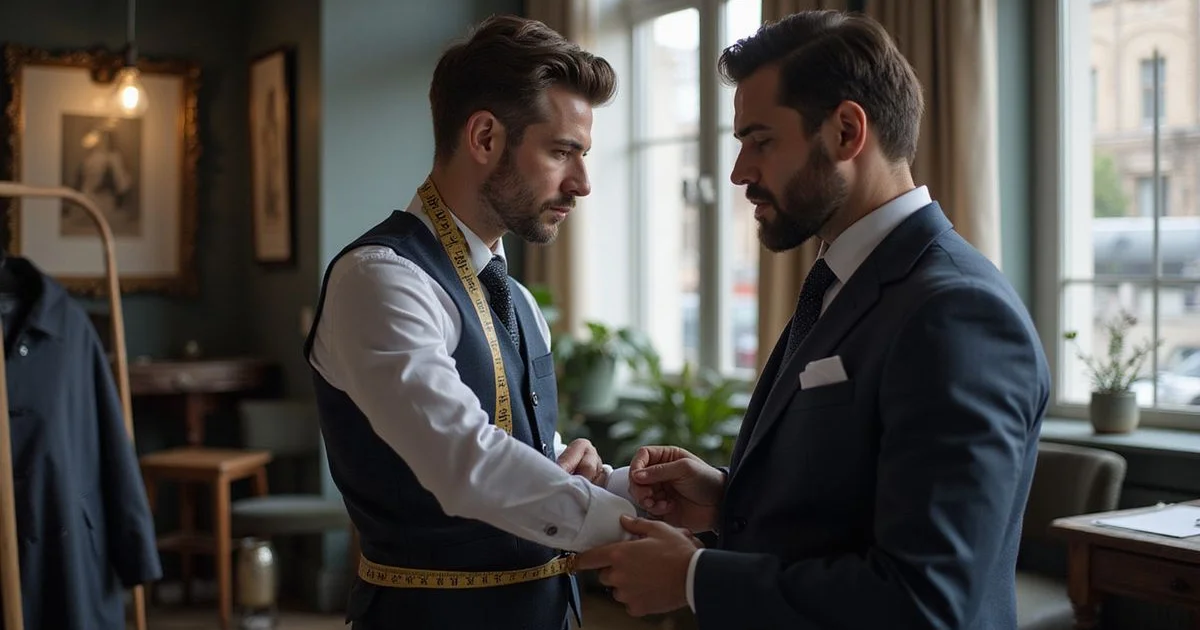
We examine the garment thoroughly, looking at construction quality, cloth condition, and seam allowances. We have you try it on so we can see what is actually wrong with the fit, separately from what you perceive. Then we tell you four things:
- What can be done
- What it will cost
- What the realistic outcome will look like
- Whether we think it is worth your money
Sometimes the answer is “yes, absolutely.” Sometimes it is “we can improve it, but it will not be perfect.” And sometimes it is “honestly, you would be happier putting this money toward something new.”
That is the conversation you deserve. Bring your garment in and we will tell you the truth.
Ahmad Sulaiman
Expert insights from the Lanwin Tailor team in Petaling Jaya.