Premium Shirt Fabrics for Tropical Climates: A Mill-by-Mill Guide
Thomas Mason, Albini, and the other heritage mills explained for Petaling Jaya buyers. Choose the right cloth for 80% humidity and corporate dress codes.
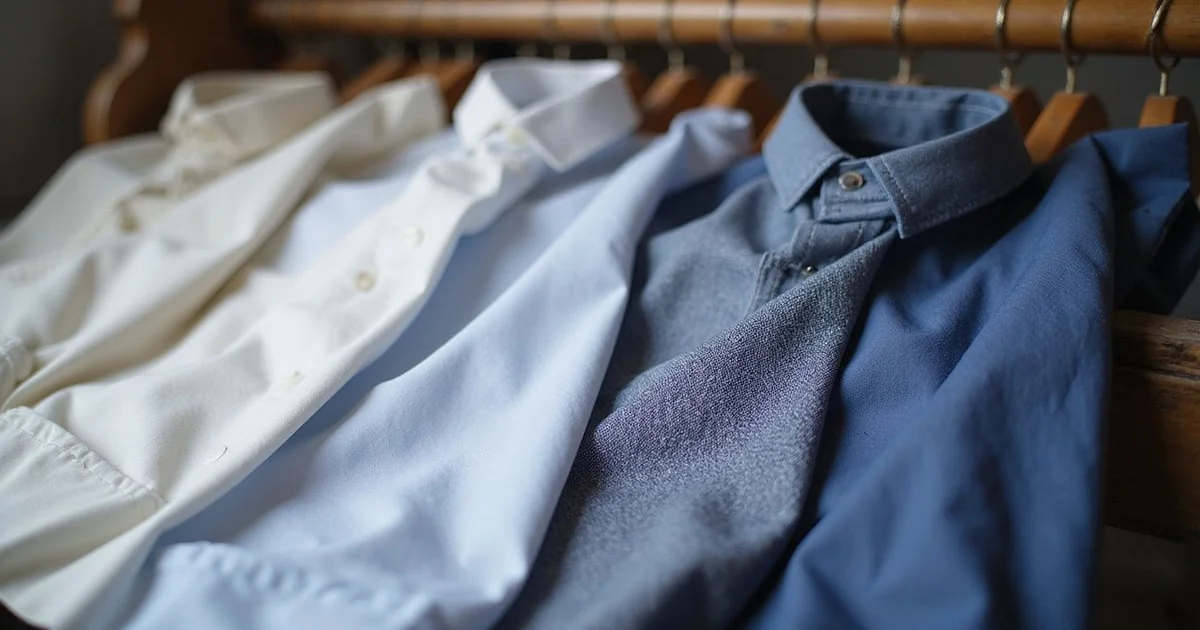
When you commission custom shirts, the cloth choice is the single biggest determinant of how the finished shirt feels, looks, and lasts. Most clients walk into our Petaling Jaya workshop focused entirely on fit, but they leave understanding that fabric is what determines whether the shirt will still be in rotation three years from now.
Picking the right fabric matters even more in our climate. A cloth that performs beautifully in London or Milan can become a hot, clammy disappointment in 80% Petaling Jaya humidity. After three generations of fitting tropical-climate shirts, our Lanwin Tailor team has learned to read mill catalogues with very specific eyes.
Why The Mill Matters
The world of premium shirt cloth is controlled by a small group of legendary producers, almost all of them clustered in northern Italy. These mills handle everything from cotton sourcing to weaving to finishing, and the difference between their output and a mass-market cloth is enormous.
We work with a curated set of mills because consistency matters. A mill with two centuries of textile history will deliver the same quality cloth on the same loom for decades, which is exactly what you want when you are building a wardrobe meant to last.
Thomas Mason (Italy)
Founded in Lancashire in 1796 and now part of the Albini Group, Thomas Mason holds an archive of more than 700 volumes of historic textile designs. Their Goldline collection uses long-staple Egyptian Giza 45 cotton, which delivers a silky hand that softens beautifully over time. We use Thomas Mason heavily for our Petaling Jaya clients who want a refined, formal cloth for boardroom wear in Section 13.
Albini (Italy)
Family-run since 1876 and the largest European shirting manufacturer, Albini is vertically integrated from cotton harvest to weaving in Bergamo. Their BIOFUSION line offers traceable organic cotton without sacrificing durability, which is increasingly attractive to younger executives who care about supply chain transparency.
Canclini (Italy)
Based near Lake Como, Canclini began with silk in the 1920s before transitioning to cotton. That heritage shows in their finishing processes. We recommend their lighter weights and casual prints to clients who want a softer, more relaxed shirt for weekend dinners and tieless office days.
David & John Anderson (Italy)
Also part of the Albini umbrella, this brand specialises in extremely high yarn counts, including 200/2 and 300/2 cottons. The shirts feel weightless on the skin but require careful laundering. We reserve these for clients who can commit to professional care.
At Lanwin Tailor, we lean most heavily on Thomas Mason and Albini because they offer the most consistent performance for the daily punishment of tropical wear.
What “Quality” Actually Means In Cotton
Marketing vocabulary obscures the technical metrics that actually determine shirt quality. We focus on three concrete factors when selecting cloth.
Fibre Length And Origin
The geographic origin of the cotton plant dictates the length of its fibre, called the “staple.”
- Extra-Long Staple (ELS): Fibres exceed 35 mm. This category includes Supima from the American Southwest
- Giza 45: The “queen of Egyptian cotton,” cultivated in a small region of the Nile Delta and harvested by hand
- Sea Island: Grown in the Caribbean, accounting for less than 0.004% of global cotton production
Longer fibres mean smoother yarns with fewer connection points. The result is cloth that resists pilling and stays smooth across dozens of wash cycles.
Ply And Thread Count
You will see numbers like 100/2 or 140/2 on a fabric swatch. The first refers to thread count (fineness) and the second refers to ply (how many threads are twisted together).
| Specification | Description | Best For |
|---|---|---|
| 80/2 to 100/2 | Durable, substantial weight | Daily business wear, frequent travel |
| 120/2 to 140/2 | Silky, refined, slightly thinner | Important meetings, formal events |
| 170/2+ | Extremely fine and delicate, wrinkles easily | Black tie, owners with professional laundering |
| Single Ply | One strand, less durable, often cheaper | Casual summer shirts only |
We almost exclusively use two-ply cloth at Lanwin Tailor. Twisting two yarns together before weaving creates a “rope” effect that significantly increases tensile strength and longevity, which matters when you wash shirts frequently in PJ’s humidity.
Finishing
Raw woven cloth is rough and unstable until it is finished. Top-tier mills use mercerisation, a process that swells the cotton fibres to improve lustre, deepen dye uptake, and reduce shrinkage. Cheaper mills skip this step or use chemical softeners that wash out within five cycles.
The Major Weaves Decoded
The weave structure determines how the shirt breathes, drapes, and behaves in tropical heat.
Poplin (Broadcloth)
The standard for business attire, with a simple over-under weave.
Why it works in PJ:
- Lightweight, around 100 to 110 gsm, so it breathes well
- Holds a sharp crease and looks immaculate under a jacket
- The smooth surface is the dressiest available
Trade-off: Poplin wrinkles more easily than any other weave. If you commute daily in Federal Highway traffic, expect creases by lunchtime unless your jacket stays on.
Twill
Identifiable by its diagonal “wale” texture.
Why it works in PJ:
- Heavier than poplin, so it drapes cleanly and masks minor fit issues
- The weave structure naturally resists creasing during commutes
- White twill is more opaque than white poplin, so it hides undershirts better
Trade-off: It runs warmer than poplin. We recommend lighter “Imperial Twills” for tropical clients.
Oxford Cloth
Uses a basket weave where multiple weft threads cross over an equal number of warp threads.
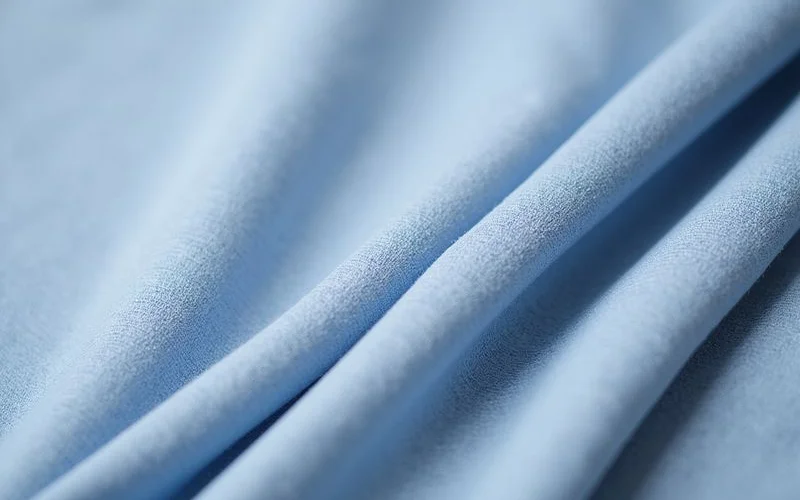
Why it works in PJ:
- Designed originally for polo players, so it stands up to heavy wear
- The visible weave pairs perfectly with chinos for tieless office days in places like Bandar Utama
- High-quality Oxford gets softer with every wash
Trade-off: Standard Oxford runs heavy, often 160 gsm or more. It is too thick for a midday meeting in our climate. Reserve it for evening wear or for businesses with strong air conditioning.
Royal Oxford
Different from standard Oxford, this uses finer yarns and a more intricate weave to create a diamond-like effect.
Why it works in PJ:
- Has the shine of a dress shirt with the texture of a casual one
- The open weave is surprisingly breathable
- Versatile enough for both client meetings and evening events
Trade-off: The loose weave can snag on a sharp watch clasp.
Herringbone
A variation of twill where the diagonal pattern reverses to create a “V” shape.
Why it works in PJ:
- Adds depth to solid colours without introducing a contrasting pattern
- Easy to iron and resists stubborn creases
Trade-off: Slightly heavier than poplin, similar in weight to twill.
Zephyr And Voile
These are open-weave fabrics that almost resemble linen in their breathability. We recommend them strongly for the hottest months in Petaling Jaya, especially for clients who walk between buildings in places like Damansara Uptown rather than driving directly into a basement carpark.
Choosing The Right Cloth For Your Life
Cloth selection is a balance of four practical factors.
1. Climate Reality
Petaling Jaya’s tropical conditions reward lightweight cloths. Stick to poplin under 110 gsm or open-weave fabrics whenever you will be outside between 10 am and 4 pm. Save the heavier twills and Oxfords for air-conditioned office wear or for travel to cooler cities.
2. Formality
High-stakes presentations and formal events at venues like Hilton Petaling Jaya call for the smooth authority of poplin or fine twill. Creative meetings and tieless tech offices favour the texture of Oxford or patterned herringbone.
3. Maintenance Realities
Be honest about your laundry routine. If you send shirts to a professional cleaner, you can choose delicate high-count cloths. If you launder at home with a maid or a household machine, stay with resilient twills and Oxfords that survive aggressive pressing.
4. Wardrobe Gap Analysis
Most men own too many plain blue shirts. Add texture (a white herringbone, a Royal Oxford) before you add another flat colour. Texture expands the pairing options of every other shirt you already own.
Colours And Patterns That Work
Foundational colours
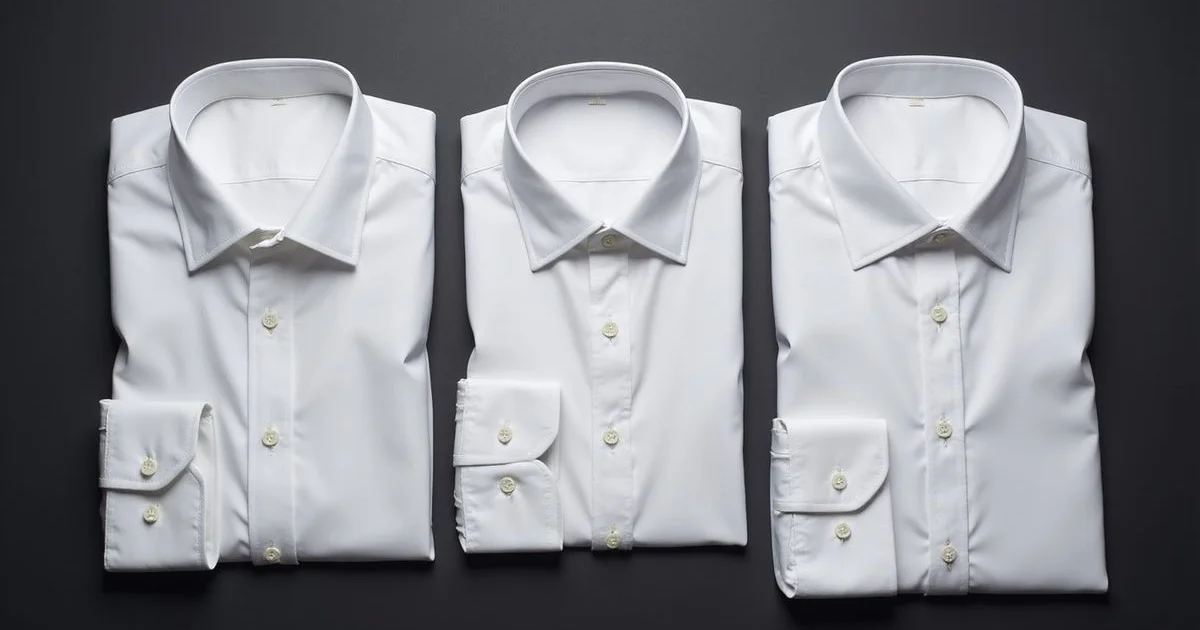
- White: The blank canvas. We recommend at least three distinct whites in different weaves
- Light Blue: Less stark than white and flatters almost every skin tone
- Sky Blue: Slightly brighter for warmer indoor lighting
Professional expansion
- Lavender and Pale Pink: Pair beautifully with charcoal and navy suits
- Ecru: A soft, warm alternative to white that looks better under tropical evening lighting
Patterns for business
- Bengal Stripes: Bold vertical stripes that command attention and elongate the torso
- Micro-checks: Read as a solid colour on Zoom but add detail in person
- Gingham: A classic check that bridges office wear and social dinners
The Investment
A custom shirt made with Thomas Mason cloth at Lanwin Tailor typically ranges from RM 750 to RM 1,200. That contrasts with mall-bought shirts at RM 200 to RM 400 made from short-staple cotton with chemical finishes.
| Feature | Mall Shirt | Premium Custom Shirt |
|---|---|---|
| Cotton source | Generic short-staple, prone to pilling | Egyptian Giza or US Supima, softens with wear |
| Buttons | Plastic, prone to cracking | Mother of pearl, heat-resistant |
| Sizing | Neck and sleeve only | Fifteen-plus measurements |
| Lifespan | 30 to 40 washes before degrading | 150+ washes with proper care |
A RM 950 shirt that looks pristine for three years is a better financial decision than a RM 300 shirt that looks tired after six months.
Building A Tropical Shirt Wardrobe
We recommend a rotation of six essential shirts that cover almost everything a Petaling Jaya professional needs.
- The Deal Closer: White poplin (formal, authoritative)
- The Daily Driver: Light blue twill (soft, wrinkle-resistant)
- The Versatile Player: White Royal Oxford (texture for added interest)
- The Creative: Blue Bengal stripe (energy without pattern fatigue)
- The Social: Pink or lavender micro-check (approachable but refined)
- The Weekend: Blue heavy Oxford (perfect with denim or chinos)
This foundation keeps you correctly dressed for almost any local situation, from a Federal Highway commute to an evening at a Damansara hotel ballroom.
Experiencing The Cloth In Person
Digital descriptions and Instagram swatches cannot replicate the tactile reality of premium cotton. The weight of an Imperial Twill or the coolness of a Swiss voile must be felt to be properly understood.
At your consultation with Lanwin Tailor, we will walk you through our curated cloth books from Thomas Mason, Albini, and the other heritage mills we trust for tropical wear. You will see how each weave catches the light and find the weight that matches your daily reality in PJ.
Mei Ling
Expert insights from the Lanwin Tailor team in Petaling Jaya.